

Comfort, Customer Satisfaction, and the Things Energy Metrics Miss
This week’s post was inspired by the Midwest Energy Solutions conference in Chicago, though not by anything that happened on floors five through seven, where the conference activities were neatly contained. The real inspiration occurred well outside that control volume, where sub-zero temperatures, glacial hotel windows, improvised heating strategies, and late-stage chargerbesity provided a far more honest lesson in how buildings actually perform, how people actually feel, and what energy metrics routinely fail to capture.
Sizing Up Window Heat Loss
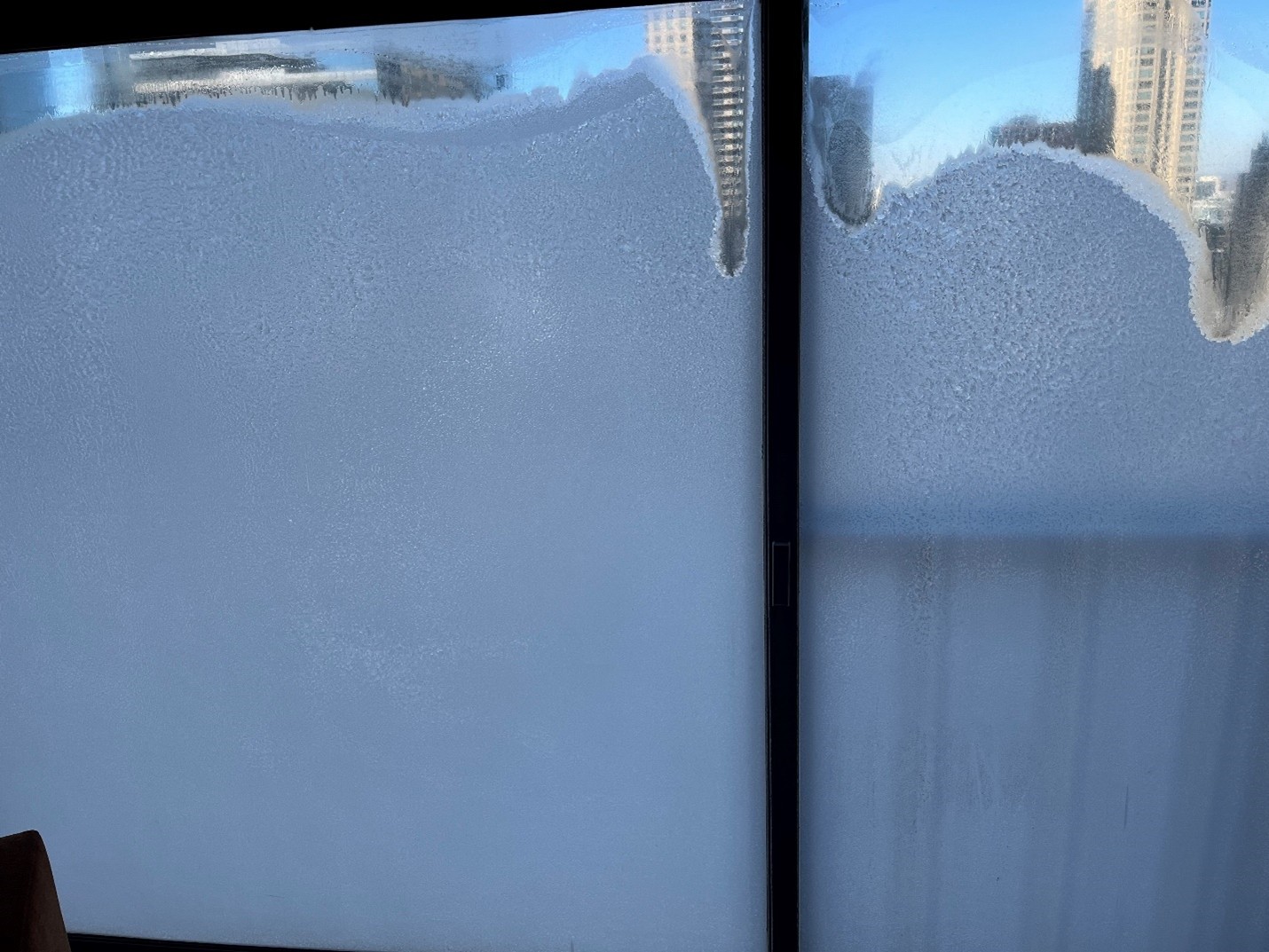
Let’s begin with the 28th floor and my guest room in the hotel. It was a little chilly during the conference, with low temperatures falling to around zero Fahrenheit. Figure 1 demonstrates the awful windows used in guest rooms. Cold a little? I took the photo in the morning before taking a shower. I haven’t seen frost like that since my Ha Screwel basketball days, riding with thirty kids with wet hair on a packed school bus.
Figure 1 Poor Window Performance, Illustrated
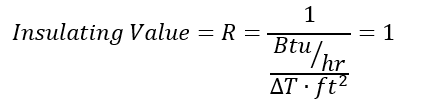
Insulating value, measured as the reciprocal of Btu per hour per degree F per square foot, is probably 1.0, at best. What? Ok. I’ll unpack that, first by spelling it out in fractional form (Equation 1), then, with numbers to provide scale, kinda like putting a quarter next to a spider to gauge how big the spider is.
Equation 1 Building Shell Insulating Value
Recannoitering with algebra, we have the heat loss per window calculated in Equation 2, assuming a 75-degree Δ (delta = temperature difference, indoors minus outdoors), and a seven-foot high by eight-foot-wide window:
Equation 2 Marriott Window Heat Loss Calculation

Adding this up across the entire hotel, it’s at least a million Btu per hour. That requires a sizeable boiler, just for the window load. It is roughly equal to the heating load for a small-to-medium-sized elementary school, or about thirteen average homes in Chicago[1]. I mentioned the quarter and the spider above – there it is. Want another quarter-spider comparison? That loss or heating load of 4200 Btu per hour is roughly equal to the heat output of an electric space heater – A LOT.
Annually, we can use Equation 3 to determine the annual natural gas consumption, in therms, to displace the heat lost through the 200 guest-room windows.
Equation 3 Annual Natural Gas Consumption for Marriott Windows

Where:
- HDD = heating degree days, which is the summation of the average daily temperature differences between indoors (65 degrees) and outdoors. E.g., if the low is 0F and the high is 20F, the average is 10F, and the heating degree days for that day is 65 minus 10 equals 55 degree days. Summing this up over the entire winter equals 5,974 HDD in Chicago[2].
- Efficiency is the heating plant efficiency, estimated at 80% for natural gas.
Ok, so 20,000 therms doesn’t provide a broad foundation of dollars to replace all those windows. However, I’m not including cooling-season savings here, but more importantly, what does it do for guest comfort, also known as “non-energy benefits,” or NEBs as they are known? Standing next to that hotel window like leaning against the Jakobshavn Glacier (Greenland), a splinter of which sank the Titanic – who knew!
People rarely understand radiative cooling, which is the reverse of radiative heating (standing next to a fire). Frosty windows suck the heat out of anything in their view, including you, whether you’re wearing any level of clothing or none at all. Feeling warm and cozy yet? Did I mention non-energy benefits?
The opposite occurs in the summer. The windows appear to have retrofitted tinting to reduce heat gain to the building. That’s a big thermal shield and comfort improvement for double or triple-pane glazing, but less so for single-pane windows.
Tinting works by absorbing solar energy. The tinting and glazing (pane) absorb heat, raising its temperature, allowing some of the absorbed heat to be convected outdoors before it gets into the space. Congratulations, but the hotter glazing radiates more heat internally than the internal pane of a double or triple-pane window. How? There is “insulating” argon gas between the panes. Any gas or mixture, including air, would deliver similar performance.
One more note for the hotel manager: the building suffers from severe stack effect. Every time the lobby or bar doors open, an arctic blast chases patrons, and their wallets, back to their rooms. It’s leaking revenue and high margin (say 85%) lost martini sales.
Other Envelope Heat Loss and NEBs
Moving along to the next case study in energy waste, we visited Beatnik on the River for some cavorting and adult beverages. It’s a great place and a lot of fun, but the cold weather revealed some things.
In Figure 2, you can see the secret weapon camouflaged with the plastic ivy – a gas-fired ceiling-mounted unit heater like this one from Wisconsin-based Modine Manufacturing. There’s something around 200,000 Btu/hr per thousand square feet, maybe 4X a home’s heating intensity.
Figure 2 Beatnik Patio Enclosure in Mild Weather
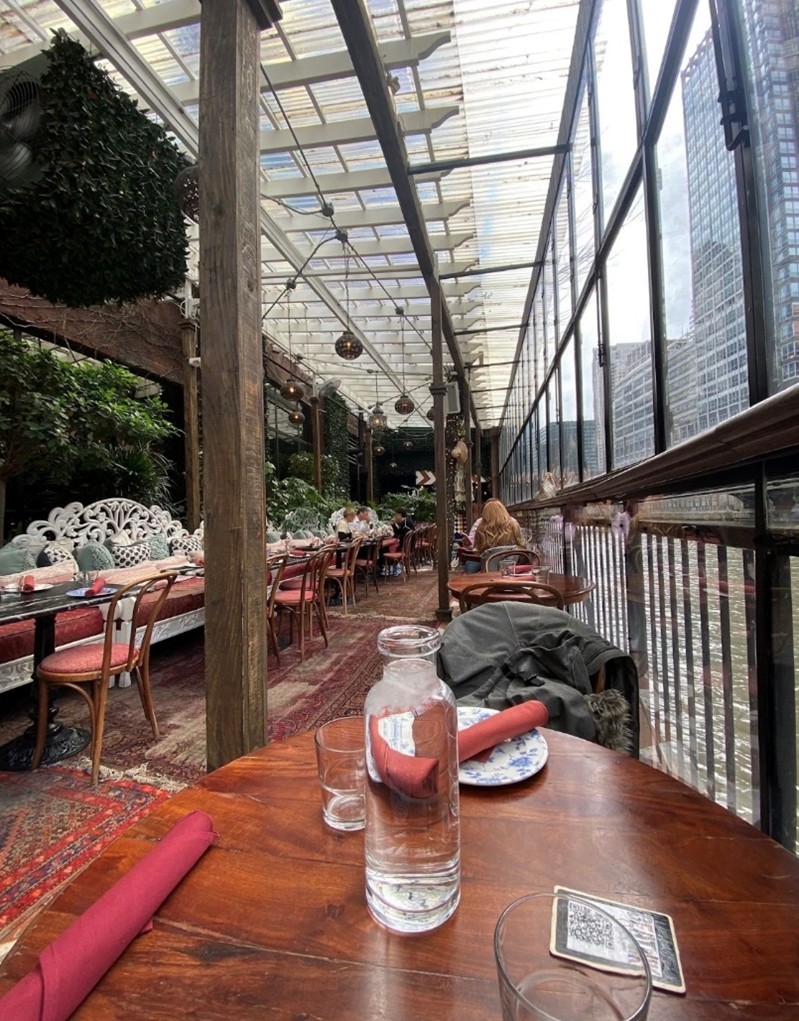
To augment the ceiling-mounted heaters, there are two or three oscillating fans blasting heat from the heaters to the exterior. Did I mention heat doesn’t like to fall? Cold does. Where are the people? Where the heat isn’t.
Figure 3 Beatnik Patio Enclosure in Cold Weather (Looking Up)
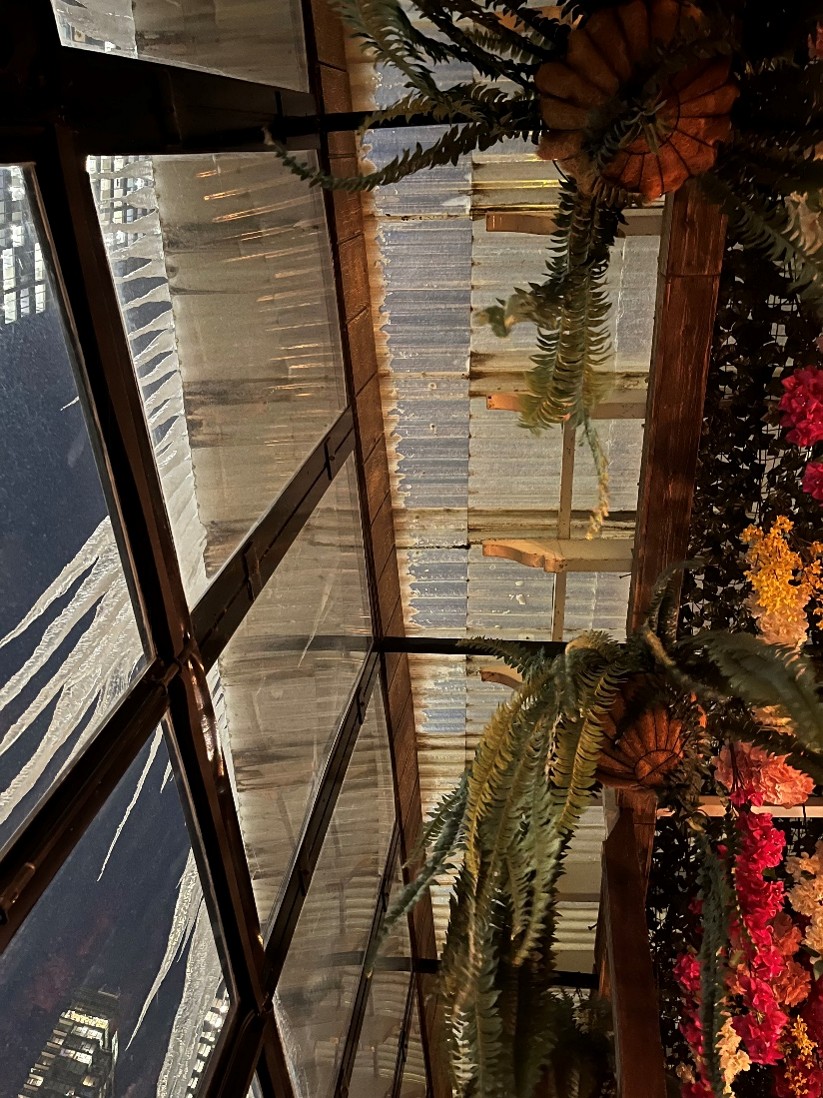
The icicles shown are slam dunks for spotting wasted heat energy. Icicle spotting is an easy way to find homes with poor attic insulation from the comfort of your car; satellite imaging not required.
There are much better comfort options that are quieter, deliver heat where needed, and, most importantly, more comfortable for patrons (NEBs).
It’s less fun to hang out in an environment with noisy heating equipment, a breeze, and air that sucks the moisture from every pore of your body. Stack the cards in your favor by retaining customers and saving energy at the same time.
Chargerbesity
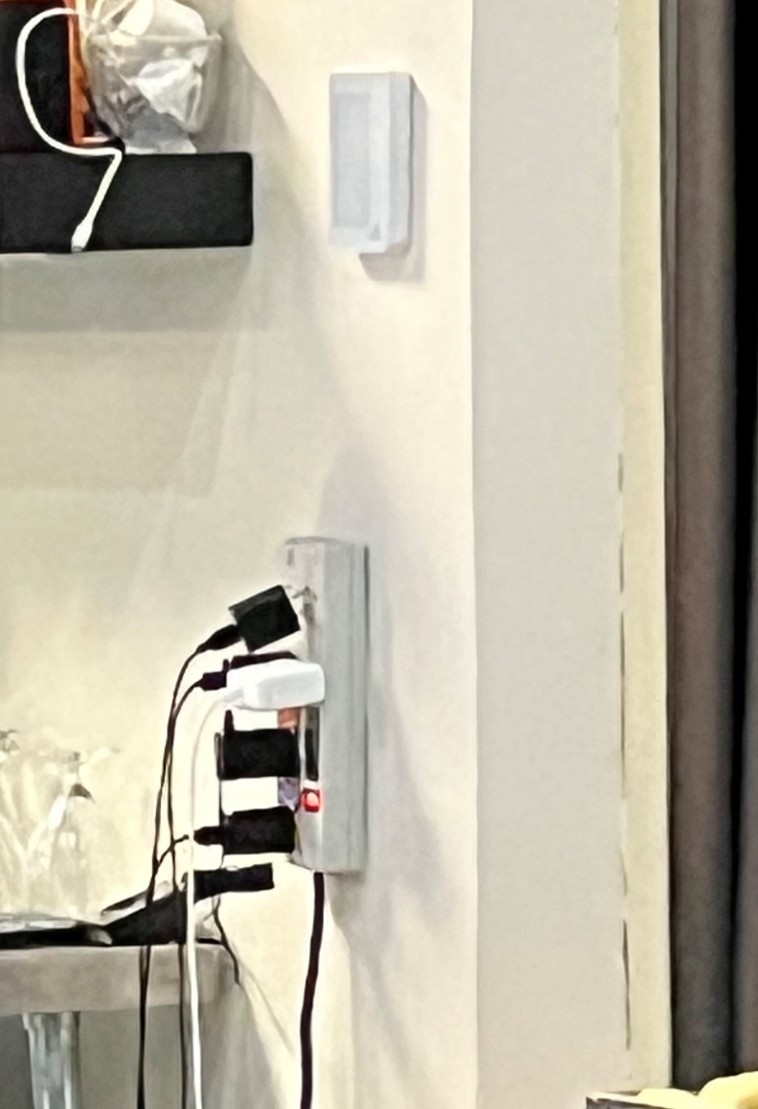
Lastly, we have this observed gem (Figure 4) from Bongiorno’s Cucina Italiana & Pizzeria. I could see the outlet suffering from late-stage chargerbesity straining to support a half dozen devices, a power strip, and maybe a compact data center.
I recommend the place, an authentic joint. Our waiter guided me on two consecutive calls as we wandered in the breezy sub-zero conditions to find the secret street ramp and the building’s and restaurant’s entrance. Then he took our orders and served us well; above, beyond, and pleasant.
Figure 4 Device Charging Excellence
Close Out
We used to say, “You can’t take him anywhere because he will nerd out on the energy waste and opportunity.“ Yep. Some things never change. I recommend all three of these places.
- Marriott: price, restaurants, Starbucks, Trader Joe’s, and Eataly within a block, which is short enough even in record cold and without a coat. (I’m tough until my ears shatter)
- Beatnik: great atmosphere, libations, and views
- Bongiorno’s: hospitality, great food, and wine
Thank you!
Next week, I’ll start where energy efficiency should always begin, with a comprehensive assessment that identifies what matters and prioritizes it.
[1] https://modernize.com/hvac/heating-repair-installation/furnace-cost/furnace-size-calculator/illinois?utm_source=chatgpt.com
[2] https://www.weather.gov/lot/ord_rfd_monthly_yearly_normals?utm_source=chatgpt.com